Cosmetic Manufacturers: Choosing the Right Partner for Quality Beauty Products
October 6, 2026
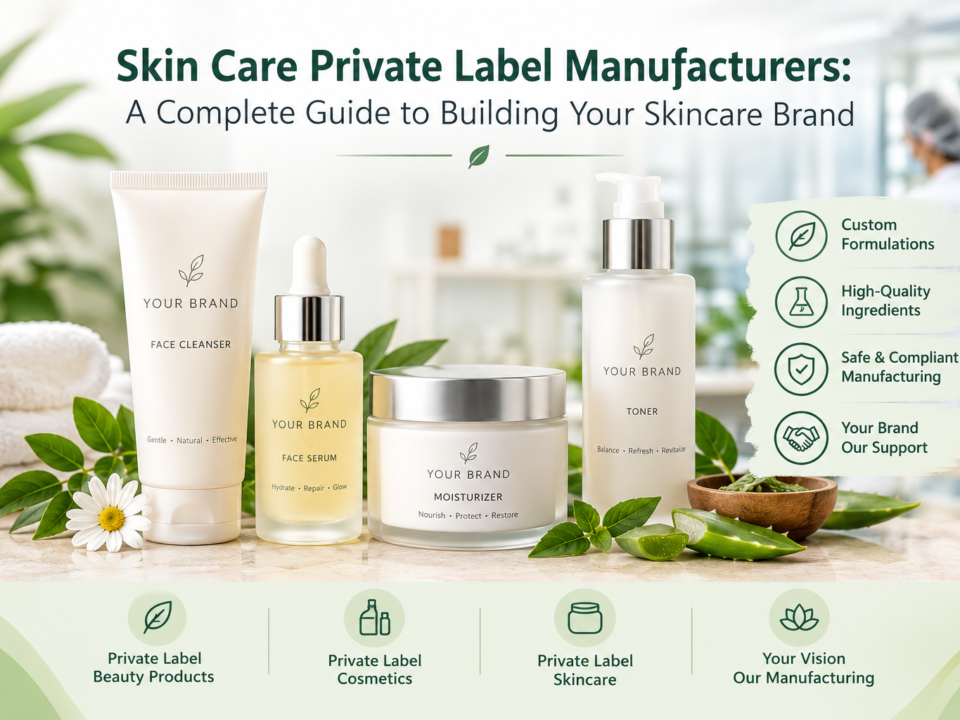
Skin Care Private Label Manufacturers: A Complete Guide to Building Your Skincare Brand
October 20, 2026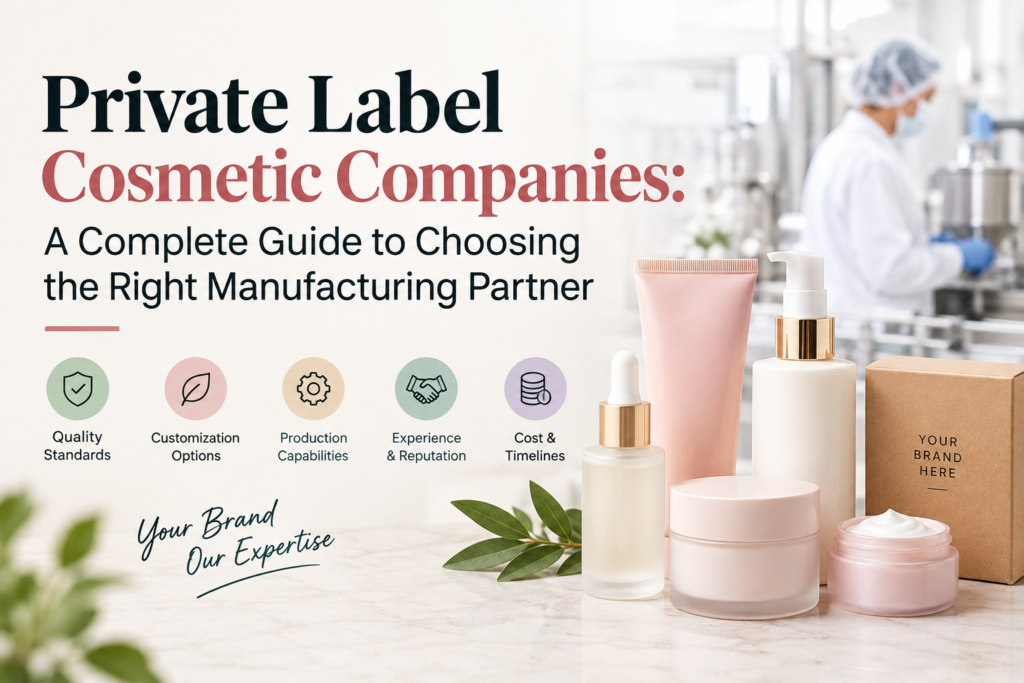
The beauty industry is growing rapidly, creating exciting opportunities for entrepreneurs, skincare brands, and beauty businesses. If you want to launch your own beauty line, partnering with reliable private label cosmetic companies can help you bring high-quality products to market without investing in your own manufacturing facility.
From skincare creams and facial serums to cleansers and moisturizers, private-label manufacturing offers a convenient way to build a distinctive beauty brand.
What Is Cosmetic Private Label Manufacturing?
Cosmetic private label is a business model that allows brands to sell cosmetic products manufactured by a third-party company under their own brand name. Depending on the manufacturer, businesses can choose existing formulations, customize fragrances and packaging, and develop products that align with their target audience.
This approach can reduce product development time and simplify the process of launching a beauty business. It is particularly useful for startups, salon owners, retailers, and established companies expanding their product portfolios.
Benefits of Working with Private Label Cosmetic Manufacturers
Choosing experienced cosmetic private label manufacturers offers several advantages for businesses entering the competitive beauty market.
- Lower startup investment: Avoid the expense of building and operating your own production facility.
- Faster product launches: Use existing formulations to bring products to market more efficiently.
- Brand customization: Create a unique identity through packaging, product presentation, and selected formulation options.
- Scalable production: Find manufacturing partners that can accommodate your business as demand grows.
- Professional expertise: Access manufacturing knowledge, quality control processes, and product development support.
Before choosing a supplier, review its minimum order quantities, ingredient documentation, quality assurance procedures, and ability to meet applicable cosmetic regulations.
How to Choose the Best Private Label Skincare Companies
Not all manufacturers offer the same level of service. When comparing private label skincare companies, consider the following factors.
First, examine the manufacturer’s product range. Look for options that match your brand vision, whether you plan to sell anti-aging creams, hydrating serums, face washes, or body care products.
Second, request samples to evaluate texture, fragrance, packaging compatibility, and overall product quality. Ask about ingredient sourcing, stability testing, microbiological testing where applicable, and batch consistency.
Third, verify regulatory support. Your manufacturing partner should provide relevant product documentation and help clarify labeling and compliance requirements for your intended markets.
Finally, compare pricing, production timelines, customization options, and communication quality before signing an agreement.
Build Your Beauty Brand with the Right Partner
Launching a successful beauty brand requires more than attractive packaging. You need dependable manufacturing, consistent quality, thoughtful product positioning, and a clear understanding of your customers.
The right private-label partner can help streamline product development while allowing you to focus on branding, marketing, customer relationships, and business growth.
Conclusion: Partnering with reputable private label cosmetic companies can simplify your journey from business idea to finished beauty product. Choose a manufacturer that supports your quality standards, brand goals, and long-term growth plans.